
Action Chiropractic Wellness Clinic
Neuropathy Treatment in West Valley City, UT
72 Google reviews · Palmer College graduate · Gonstead trained · Digital X-rays on site
Action Chiropractic runs a neuropathy program in West Valley City led by Dr. Robert Scranton, who spent years teaching chiropractors across the country how to treat neuropathy patients. No drugs, no surgery: digital X-rays first, then a plan written for you. First visit $47, usually $180.
$47
first visit, usually $180
Consultation, exam, any X-rays you need, and a proper conversation about what is going on.
Request an appointment →(801) 966-9100Monday to Friday, 9:00 am to 5:30 pm
2964 West 4700 South #102, West Valley City
“I came to see Dr. Scranton because I was feeling numbness in my feet. Being Diabetic, this was very concerning to me. … After completing just half of Dr. Scranton’s personalized care plan, not only is the numbness going away, but my whole body feels more aligned.”
Jim L.
A patient of Dr. Scranton
Understanding neuropathy
What neuropathy is, and what the program does about it
Neuropathy means damage or irritation to the nerves outside the brain and spinal cord. In the feet and hands it shows up as burning, numbness, pins and needles, feet that feel like they belong to somebody else, and balance that is not what it was. It tends to get worse slowly, which is why so many people arrive years in.
Dr. Scranton spent years teaching chiropractors across the country how to treat neuropathy patients before he bought Action Chiropractic. His approach starts where the nerves start: digital X-rays and a Gonstead exam of the spine, the pelvis and the feet, to find where a nerve is being pinched, compressed or starved of movement.
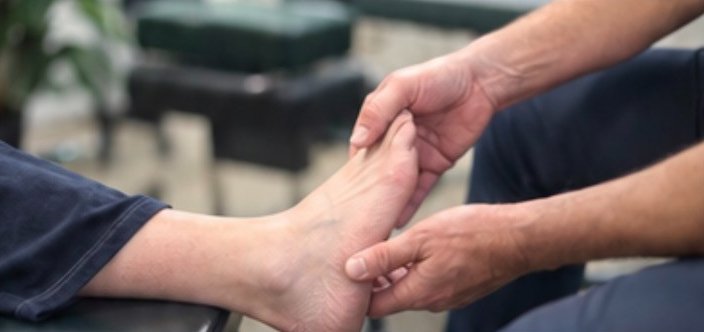
We look for the real cause, not just the symptoms.
Signs it might be neuropathy
Neuropathy usually starts in the toes and feet and works its way up. The hands often follow. These are the signs people describe most.
Numbness or tingling
in the toes, feet, legs or fingers. Pins and needles that don't wear off.
Burning pain
often in the soles of the feet, and often there all the time.
Sharp or electric-shock pains
that arrive out of nowhere and stop just as fast.
Skin that's too sensitive
where socks, shoes or the bed sheets hurt.
Trouble with balance
or not quite knowing where your feet are when you walk.
Weak or clumsy hands
buttons, jar lids, dropping things you meant to hold.
Feet that feel wrong
like walking on pebbles, or on feet that belong to somebody else.
Worse at night
enough to keep you awake or wake you up.
See a medical doctor first, and quickly, if the numbness came on suddenly, is on one side of your body only, or comes with a wound on your foot that isn't healing. Those aren't a chiropractor's job.
What causes neuropathy
Anything that damages a nerve, starves it of blood or presses on it can cause neuropathy. These are the most common causes.
Diabetes
The most common cause in the United States. High blood sugar damages the small nerves and the blood vessels that feed them, starting with the feet.
A pinched nerve in the spine
The nerves to your hands leave the spine in the neck. The nerves to your legs and feet leave it in the lower back. Pressure where they exit is felt further down the line.
Low vitamin B12
Nerves need it to work. Levels can drop with age, with some stomach conditions, and with long-term use of metformin, a common diabetes medicine.
Chemotherapy and other medicines
Some cancer drugs, and a few other medications, damage nerves, usually in the hands and feet.
Alcohol
Heavy drinking over years damages nerves directly and drains the vitamins they rely on.
Pressure on one nerve
A fall, a car accident, or a nerve squeezed at the wrist (carpal tunnel) or at the ankle (tarsal tunnel).
Other conditions
Thyroid, kidney and autoimmune conditions, infections such as shingles, and a few inherited conditions.
No clear cause
Doctors call this idiopathic neuropathy. It's more common than most people expect.
Where chiropractic fits. Dr. Scranton's exam looks at the spine, the pelvis and the joints of the feet and hands, the places a nerve can be pinched or irritated. Blood sugar, vitamin levels and medication belong to your medical doctor, so keep seeing them. Many people have more than one cause at once, which is why the exam comes before any plan.
Types of neuropathy
Neuropathy is an umbrella word. These are the names you're most likely to hear from a doctor.
Peripheral neuropathy
Damage to the nerves outside the brain and spinal cord, usually felt in the feet and hands first. It's what most people mean when they say neuropathy.
Diabetic neuropathy
Peripheral neuropathy caused by diabetes. The most common kind.
Radiculopathy
A nerve root pinched or irritated where it leaves the spine. Sciatica is the best-known example. See also pinched nerve.
Entrapment neuropathy
One nerve squeezed along its path, such as carpal tunnel at the wrist.
Chemotherapy-induced neuropathy
Nerve damage from cancer treatment, usually in the hands and feet.
Idiopathic neuropathy
Neuropathy with no cause found after testing.
Autonomic neuropathy
Damage to the nerves that run blood pressure, digestion and the bladder. This one needs a medical doctor.
The exam tells you which of these you're dealing with, and whether chiropractic has a part to play.
What the program includes
Specific adjustments
to the joints of the spine where the affected nerves exit, and to the feet and ankles themselves.
Screened before you start.
Every neuropathy patient is examined first and only accepted into the program if they qualify.
A plan written for you.
Each patient accepted into the program gets their own treatment plan, not a standard one.
No drugs and no surgery.
The program is non-invasive and involves no medication.
Dr. Scranton will tell you at the first visit whether you are a candidate. If he does not think he can help you, he will say so.
Why people choose Dr. Scranton as their neuropathy doctor
He looks before he treats
Digital X-rays on site at the first visit, read with you in the room. The Gonstead exam finds the joint that is actually causing the problem, so that is what gets treated.
He has done this for a long time
Palmer College of Chiropractic, class of 1999. More than 10,000 patients. Years spent teaching other chiropractors how to treat knee pain and neuropathy.
He tells you the truth
If he does not think he can help you, he will say so at the first visit. No plan is written that you have not agreed to. You will never be a number in this office.
What to expect at your first visit
You tell him what is happening.
Where the numbness or burning is, when it started, what you have tried, and what you can no longer do because of it.
The exam, and X-rays if you need them.
Taken on site and read with you in the room. He examines the spine, the pelvis and the feet, and checks sensation, strength and balance.
A straight answer.
What he found, whether you qualify for the program, and what a plan would involve. You decide from there.
The first visit is $47, usually $180, and covers the consultation, the exam, any X-rays you need and the conversation afterwards.
$47
first visit, usually $180
Consultation, exam, any X-rays you need, and a proper conversation about what is going on.
Request an appointment →(801) 966-9100Monday to Friday, 9:00 am to 5:30 pm
2964 West 4700 South #102, West Valley City
Our promise
If Dr. Scranton does not think he can help you, he will tell you. We are not going to give you false hope.
What patients say
“I’d wake up in the middle of the night with my hands and lower arms numb. … I can go through the nights again without pain.”
Daniel F.
“I had tingling on my left side, a burning sensation and a sharp pain in my lower back. … Day by day, visit by visit the pain has disappeared.”
Helinda G.
“My legs, my right leg, I couldn’t hardly tell where I was setting it when I walk and I lost my balance. … I don’t have as much pain in my feet and legs.”
John T.
Dr. Scranton on ABC4, and four patients on the program
View more patient stories →Dr. Scranton on ABC4
Dr. Scranton explains peripheral neuropathy and the chiropractic approach.
Patient story
A patient of the program, in their own words.
Patient story
A patient of the program, in their own words.
Patient story
A patient of the program, in their own words.
Patient story
Fonda, a patient of the program, in her own words.
Every one is a real patient of Dr. Scranton. Results vary from person to person.
Questions people ask about neuropathy and chiropractic
Can a chiropractor do anything for neuropathy?
Chiropractic care treats the joints, the nerves and the tissue around them, which is where much neuropathy begins. Dr. Scranton has taught other chiropractors how to treat neuropathy patients and runs a dedicated program here. Whether it can help you is decided by an exam and X-rays, not by a website. He will tell you honestly.
Can neuropathy be reversed?
Sometimes. It depends on the cause and on how long the nerves have been affected. When something is pressing on a nerve, such as a joint in the spine or a tight spot at the wrist or ankle, taking the pressure off can let the nerve recover. Nerve damage that has gone on for many years doesn’t always come back fully, and nobody can honestly promise that it will. The exam and X-rays are how Dr. Scranton tells you which situation you’re in, before you commit to anything beyond the first visit.
Should I see a chiropractor, a podiatrist or a neurologist?
They look at different things, and plenty of people see more than one. A neurologist runs nerve tests and looks for medical causes such as diabetes, vitamin levels or medication. A podiatrist looks after the skin, nails and any wounds on a numb foot, which matters a great deal if you have diabetes. A chiropractor looks at the spine and the joints the nerves run through, to find out whether pressure on a nerve is part of the problem. If you’ve never had a medical workup, get one. If you have, and the answer was medication and waiting, that’s the point to come and see Dr. Scranton.
I have diabetes. Can I still come in?
Yes. Diabetes is the most common cause of neuropathy in the feet. Keep managing your blood sugar with your medical doctor, because nothing we do replaces that, and bring a list of your medications to the first visit so the plan accounts for them. Check your feet every day as well. A numb foot doesn’t warn you about a blister or a cut, and any wound that’s slow to heal needs your doctor or podiatrist straight away.
Can neuropathy come from my back or neck?
It can. The nerves to your hands leave the spine in the neck, and the nerves to your legs and feet leave it in the lower back. A worn disc or a joint that isn’t moving properly at either level can irritate the nerve where it exits, and you feel it further down, in the hand or the foot. This is called radiculopathy, and it’s exactly what the Gonstead exam and the X-rays are looking for.
Why is my neuropathy worse at night?
Most people notice it more at night. There’s less going on to distract you, you’re lying still, and the covers press on feet that are already over-sensitive. If it’s keeping you awake, tell Dr. Scranton at the first visit, because how you sleep is part of what the plan looks at.
Is walking good for neuropathy?
For most people, yes. Walking keeps blood moving to the feet and legs and keeps your balance in practice, and stopping altogether tends to make balance worse. Wear shoes that fit well, walk on even ground, and check your feet afterwards if you can’t feel them properly. If walking is painful or you have already fallen, ask about it at the first visit before you push harder.
Is it safe if I am older or have other health problems?
The exam comes first, and the plan is built around what your body can take. Adjustments are specific and low force where they need to be, and nothing in the program involves drugs or surgery. Tell Dr. Scranton about every condition and medication at the first visit so the plan accounts for them.
What does the first visit cost?
$47, usually $180. That covers the consultation, the exam, any X-rays you need and a sit-down with Dr. Scranton to go through what they show. No other price is quoted until you have been examined and have agreed to a plan.
How many visits will it take?
It depends on how long the nerves have been affected and what the exam shows, and nobody can honestly tell you before that. After the first visit Dr. Scranton lays out what a plan would look like, and you decide. Nobody is put on a plan they have not agreed to.
I have been told it is nerve damage and nothing can be done. Should I still come in?
Yes. That sentence is the reason most of our neuropathy patients waited years before coming in. An exam and X-rays are the only honest way to know whether a joint, a pinched nerve or a mechanical problem is part of your picture. If it is not, Dr. Scranton will say so at the first visit.
Do you see neuropathy patients from outside West Valley City?
Yes. Patients drive in from Taylorsville, Kearns, Magna, West Jordan, South Jordan and, for this program, from across Utah. The clinic is a minute off the I-215 with parking at the door.
Action Chiropractic is at 2964 West 4700 South #102, on the West Valley City and Taylorsville border, a minute off the I-215. We see patients from Kearns, Magna, West Jordan and South Jordan, and for the knee and neuropathy programs some drive in from across Utah.
Knee pain program · Pinched nerve · Gonstead chiropractic care · Meet Dr. Scranton · Request an appointment
Book your $47 first visit
Consultation, exam, any X-rays you need, and a proper conversation. Normally $180.
Monday to Friday, 9:00 am to 5:30 pm
2964 West 4700 South #102
West Valley City, UT